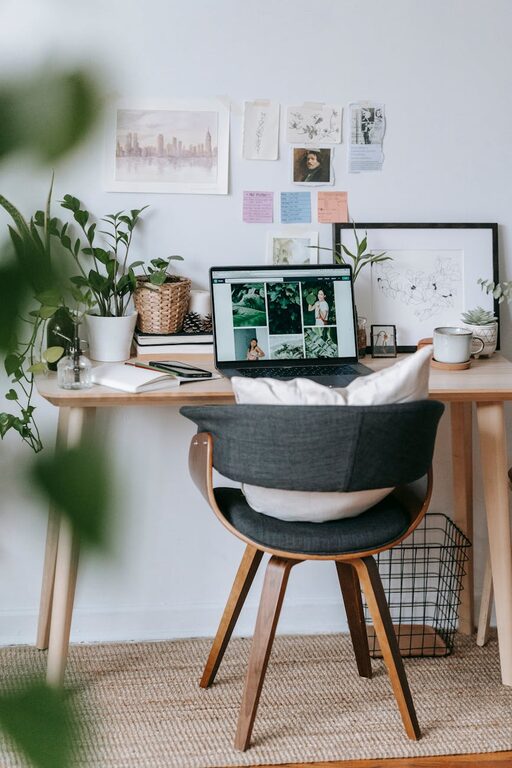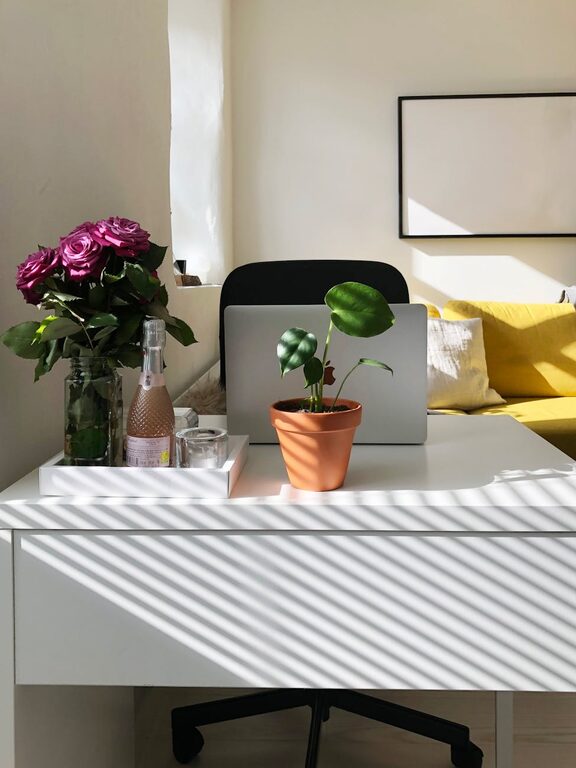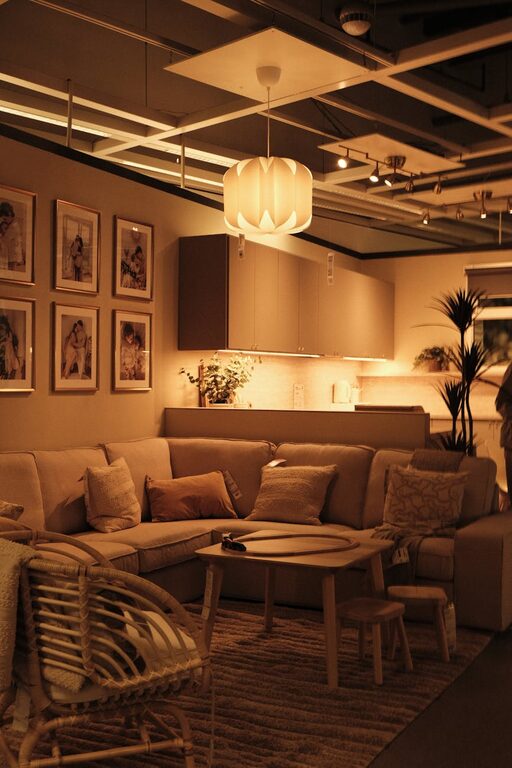
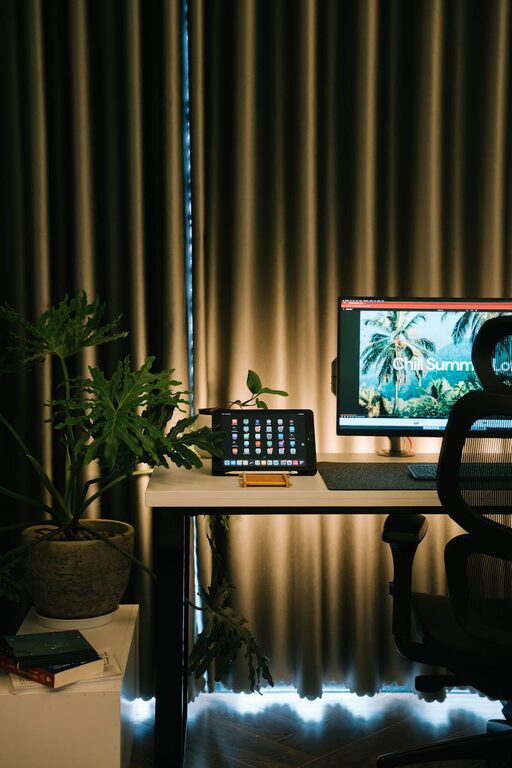
Creating a relaxing home workspace is essential for maintaining productivity, especially when working remotely or freelancing. A well-organized and calming environment can help reduce stress, increase focus, and make work feel more enjoyable. In this post, we’ll explore practical tips to design a home workspace that fosters relaxation and supports your productivity goals.
Why a Relaxing Workspace Matters
Your workspace directly influences how you feel while working. A cluttered, noisy, or uncomfortable space can lead to distractions, fatigue, and decreased motivation. Conversely, a workspace that feels inviting and calm promotes concentration and encourages you to stay on task longer.
The good news is that you don’t need a large or expensive setup to create a relaxing environment. Small changes can make a big difference.
Choose the Right Location
Find a Quiet Spot
Select a part of your home where noise disturbances are minimal. This could be a corner in your bedroom, a spare room, or even a section of your living room. The quieter the space, the easier it will be to focus.
Consider Natural Light
Natural light helps improve mood and alertness. Position your desk near a window if possible, but avoid glare on your screen. If natural light is limited, invest in soft, warm artificial lighting that mimics daylight.
Invest in Comfortable and Functional Furniture
Ergonomic Chair
A supportive chair helps prevent back and neck pain. Look for an adjustable model that supports your posture and allows your feet to rest flat on the floor.
Desk Space
Choose a desk that fits your equipment without feeling cramped. A tidy desk offers room to write, use a keyboard, or place a cup of tea—all important for comfort during long work sessions.
Add Personal Touches
Adding a few personal items such as a small plant, a photo frame, or an inspiring quote can make your workspace more inviting and boost your mood.
Declutter and Organize
Keep Only Essentials
Too many items on your desk can overwhelm your senses and distract you. Keep only essential tools like your computer, notebook, pens, and perhaps a lamp.
Use Storage Solutions
Drawers, desk organizers, or shelves help keep documents and supplies out of sight but within reach. Regularly declutter to keep the area fresh and functional.
Incorporate Elements That Promote Relaxation
Plants
Greenery adds a calming effect and can improve air quality. Choose easy-to-care-for plants like succulents or spider plants.
Aromatherapy
Scented candles or essential oil diffusers with natural fragrances such as lavender, eucalyptus, or citrus can create a soothing atmosphere.
Background Sound
If silence feels too stark, try soft instrumental music or nature sounds like rainfall or birdsong to help maintain focus without distractions.
Establish a Routine to Set Boundaries
Define Work Hours
Having set working hours helps your brain switch into “work mode” and signals when it’s time to relax.
Take Breaks
Incorporate short breaks to stretch, hydrate, or walk around. Stepping away from your desk refreshes your mind and body.
End-of-Day Ritual
A brief ritual to close your workday, like turning off your computer or tidying your desk, helps create separation between work and personal time.
Use Technology Wisely
Minimize Distractions
Turn off unnecessary notifications and close irrelevant tabs or apps during work hours.
Invest in Quality Equipment
A good keyboard, mouse, and monitor can reduce strain and improve efficiency.
Maintain Good Air Quality and Temperature
Ventilation
Open windows or use air purifiers to keep fresh air circulating.
Temperature Control
Keep your workspace comfortably warm or cool; extreme temperatures can hamper concentration.
Final Thoughts
Designing a relaxing home workspace doesn’t have to be complicated. By focusing on comfort, organization, light, and personal touches, you can create an environment that supports productivity while keeping stress at bay. Remember to listen to your needs and adjust your space as your work habits evolve.
With these tips, you’ll be well on your way to a more enjoyable and productive home working experience.
About the Author